 Skip to content
When a Construction Site Collapses: Who Pays the Workers and Families in Pennsylvania?
July 28th, 2026
By Dean I Weitzman, Esq.
SHARE:
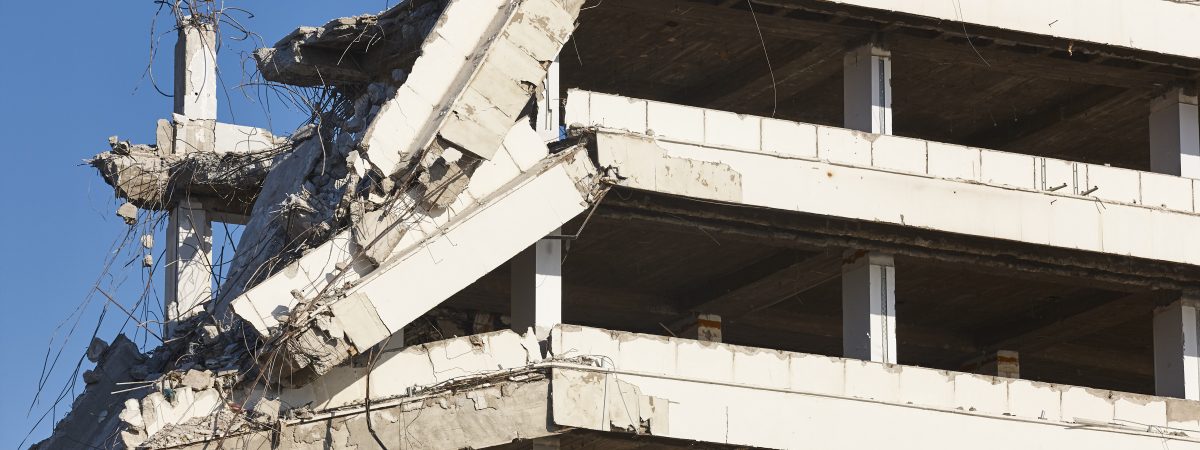
The CHOP parking garage stair tower tragedy has taken a toll on many communities in Philadelphia. Three ironworkers from Local 401 lost their lives, others were injured, and many people in the adjacent neighborhoods felt the rumbling of the collapse.
Families across Philadelphia are grieving, and many now face an unfamiliar set of legal questions during the worst time of their lives. Recovery after a major collapse on a construction site is rarely simple, and knowing who is accountable can shape whether a family ends up financially whole or buried under hospital bills and funeral costs.
Is Workers’ Compensation the Only Option After a Construction Collapse?
No. Pennsylvania’s Workers’ Compensation Act treats workers’ comp as the “exclusive remedy” against a direct employer, meaning an injured worker cannot sue the company that signed their paycheck. This system covers medical bills, a portion of lost wages, and disability benefits regardless of fault, and it pays out faster than a lawsuit ever could.
However, the exclusive remedy rule stops at the employer’s door. A second path exists against outside parties whose negligence contributed to the harm, and those claims can reach the kinds of damages workers’ comp will never touch.
Below are some important terms that you may be wondering about:
- Exclusive remedy: This is the rule explaining that workers’ comp is the only form of compensation an employee can seek from their employer for a job-related injury.
- Third party: This refers to any entity other than the worker’s employer. For example, third parties may include a general contractor, subcontractor, property owners, equipment company, or a design professional.
- Subrogation: The right of the workers’ comp carrier to recover what it paid if an injured employee wins money from a third-party case.
Workers build this city, and when a jobsite takes a life or leaves someone injured, the law provides families a path to accountability that no insurance company can close on its own.
Who Can Be Held Responsible in a Pennsylvania Construction Case?
Jobsites stack liability across several layers. A single collapse can produce claims against several defendants at once, depending on who controlled the work, who designed the component that failed, and who furnished the hardware. Common third-party defendants include:
- General contractors who coordinated trades on-site;
- Subcontractors from outside the hurt worker’s own company;
- Property owners who retained control over safety conditions;
- Precast concrete fabricators and component suppliers;
- Rigging, crane, and equipment manufacturers;
- Architects or engineers whose drawings missed a known hazard; and
- Delivery drivers operating vehicles on the site.
Each of these targets has its own insurance stack, and strong cases often hinge on piecing those policies together.
What Damages Can a Family Actually Recover?
Workers’ comp pays medical costs and roughly two-thirds of the injured worker’s average weekly wage, capped by state maximums. A third-party claim opens doors that workers’ comp keeps shut:
- Full wage replacement beyond the statutory cap;
- Pain and suffering;
- Loss of enjoyment of life;
- Loss of consortium for a spouse;
- Future lost earning capacity; and
- Punitive damages in extreme misconduct cases.
Families of workers killed on the job also have distinct claims. Pennsylvania’s Wrongful Death Act allows surviving spouses, children, and parents of a deceased person to recover certain economic damages, such as medical, hospital, nursing, funeral, and administration expenses, caused by another’s wrongful act or negligence. Damages are distributed among beneficiaries according to intestacy proportions, rather than each party recovering individually for their own personal losses.
What Does OSHA’s Role Actually Mean for Victims?
Federal Occupational Safety and Health Administration investigators handle the regulatory side after a fatal construction failure, and Philadelphia’s Department of Licenses and Inspections audits local compliance. OSHA citations do not hand a worker an automatic lawsuit. They do, however, produce findings, interviews, and photographs that can support a civil negligence case later on. Smart injury victim teams subpoena those records and use them to build their case.
In the wake of the Grays Ferry incident, Mayor Cherelle Parker formed a committee to review L&I’s inspection practices for precast concrete projects, with recommendations due in early 2027. Anything the committee publishes will likely lead to stricter accountability standards across the city.
Why Filing Deadlines Can Make or Break a Case
Pennsylvania gives a worker only two years from the date of a third-party injury to file suit. The workers’ comp side runs on different clocks: an employee must report the injury to their employer within 120 days, and a formal claim petition can be filed within three years of the injury. Missing any of these windows can end a case before it starts.
Evidence fades quickly on construction sites. Debris gets hauled, demolition crews move in (like what happened within days at Grays Ferry), and witness memories blur. Getting a lawyer involved early preserves the fingerprint evidence that wins these cases.
What Should a Family Do Right Now?
Grieving families should never handle insurance adjusters alone. The first steps a family or surviving coworker should take are straightforward:
- Save everything, including photos, texts, pay stubs, and any on-site video;
- Request the full OSHA file and the L&I inspection record once available;
- Avoid recorded statements to any insurer before hiring counsel;
- Identify every contractor and subcontractor visible on the site that day; and
- Contact a Philadelphia workplace injury lawyer before signing a release.
Each of these steps protects the case that has not yet been filed and preserves evidence that might otherwise be lost.
Contact MyPhillyLawyer About a Philadelphia Construction Accident
Ironworkers, carpenters, electricians, and laborers keep this city standing. When a job site fails, the people who get hurt and the families left behind deserve answers, not runaround. MyPhillyLawyer has represented Philadelphia injury victims for decades, and our attorneys understand both the workers’ compensation system and the third-party litigation required to make families whole. For a free, confidential consultation, contact MyPhillyLawyer at (215) 227-2727.